Three House committee chairmen threatened the Democratic fundraising platform ActBlue with a contempt citation on Monday, escalating a yearlong congressional investigation into allegations that the organization failed to prevent fraudulent and potentially foreign political donations from flowing through its system.
In a four-page letter to ActBlue CEO Regina Wallace-Jones, the Republican chairmen accused the platform of improperly withholding subpoenaed records through what they characterized as "baseless privilege claims," according to reporting from the Washington Examiner and the Daily Caller. The letter was signed by the chairmen of three House committees whose jurisdictions cover campaign finance, election integrity, and the relevant regulatory oversight.
The contempt threat is the most significant escalation of the probe to date. Congressional committees have the authority to vote a contempt citation when a subpoenaed party refuses to comply with document production requests. A formal contempt vote by the full House can result in a criminal referral to the Department of Justice or civil enforcement action through the federal courts — though the path from citation to legal consequence typically involves significant litigation and can extend over months or years.
Background
The investigation, which has been active for more than a year, centers on allegations that ActBlue's donation processing infrastructure did not take adequate steps to verify the identity and eligibility of contributors. Federal election law prohibits foreign nationals from contributing to U.S. political campaigns or party committees.
Critics of ActBlue's donation system have argued for several years that the platform's streamlined, low-friction interface — designed to minimize barriers for small-dollar contributors — may also reduce the safeguards that could catch illegal or fraudulent transactions. Among the concerns flagged in previous reporting: the use of prepaid cards and certain payment methods that do not reliably verify a donor's nationality or residency status.
ActBlue is the dominant online fundraising platform for Democratic candidates and progressive causes. The organization has processed billions of dollars in political contributions across multiple federal election cycles and serves as foundational infrastructure for Democratic fundraising at the federal, state, and local levels.
The dispute over documents
Congressional investigators requested documents related to ActBlue's donor verification processes, internal communications about the alleged vulnerabilities in the system, and records pertaining to specific transactions flagged in the investigation. According to the committee letter, ActBlue has declined to produce those materials, asserting privilege claims that the chairmen describe as legally unfounded.
The term "baseless privilege claims" refers to legal protections — such as attorney-client privilege or work-product doctrine — that an organization can assert to resist producing certain documents in response to a subpoena. Investigators dispute that those protections apply to the records at issue.
In practice, disputes over privilege assertions in congressional investigations often proceed through a sequence of negotiation, formal legal challenge, and — if neither produces compliance — escalation to contempt proceedings. The committees' letter signals a move toward the final stage of that sequence.
What comes next
ActBlue did not respond to press inquiries before publication, according to the Washington Examiner. The committee chairmen did not announce a specific deadline for compliance or set a date for a potential contempt vote.
The Federal Election Commission has separate regulatory authority over campaign finance violations, but congressional contempt proceedings operate independently of FEC enforcement. If the House moves forward with a formal contempt vote and the matter is referred to the Department of Justice, the DOJ retains discretion over whether to prosecute.
The investigation's findings, if made public, could have implications for how online political fundraising platforms are regulated and whether FEC rulemaking on donor verification procedures — a topic that has been under discussion for years without resolution — advances in the current Congress.
A follow-up hearing has not been announced.
Three House Committees Escalate ActBlue Probe, Contempt Now on the Table
- by:
- 2026-06-23
- Source:
patriotuncensored.com

- 06/23/2026
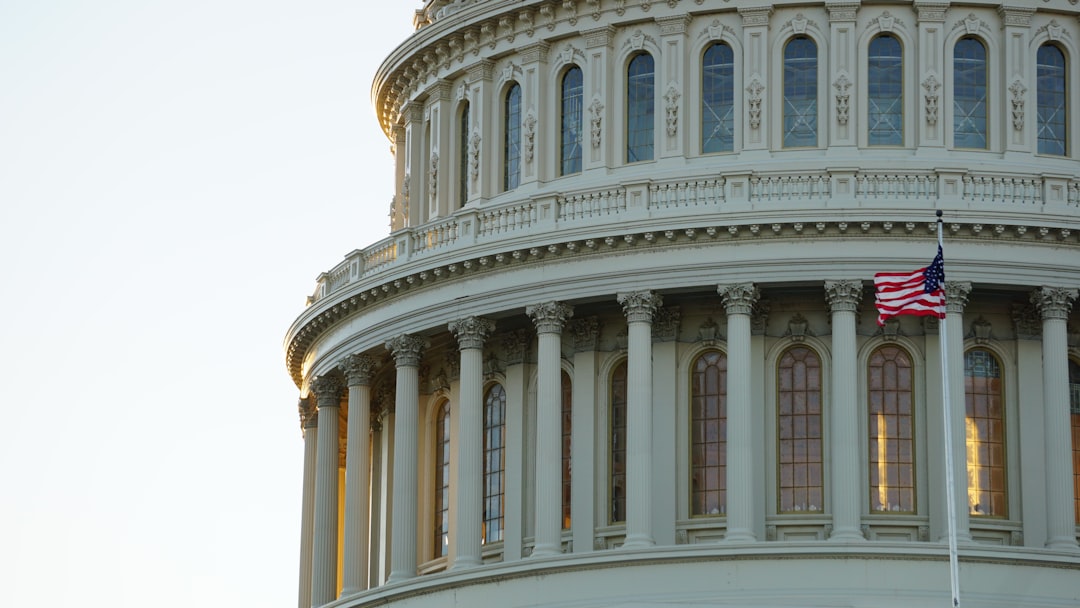
The dome of the United States Capitol Building in Washington, DC. by Ian Hutchinson is licensed under Unsplash unsplash.com
The dome of the United States Capitol Building in Washington, DC. by Ian Hutchinson is licensed under Unsplash unsplash.com
