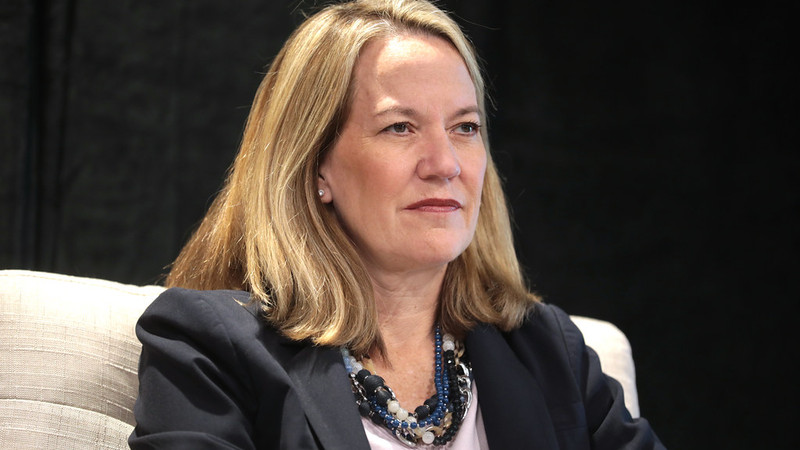
PHOENIX — Arizona Attorney General Kris Mayes is planning to secure a new grand jury indictment against several allies of President Donald Trump accused of participating in efforts to challenge Arizona's 2020 presidential election results, according to a report by the Washington Examiner.
The planned action would revive a high-profile case previously dismissed on procedural grounds. A new indictment would reassert allegations against Trump advisers, attorneys, and Republican activists connected to post-election legal activity in Arizona.
Background on the Case
Mayes, a Democrat, was elected Arizona Attorney General in 2022. The original case was among a wave of state-level prosecutions targeting participants in the so-called alternate electors strategy — a legal argument pursued by members of Trump's post-election legal team in several contested states. Under that theory, Republican-controlled state legislatures retained authority to certify alternative slates of presidential electors following disputed election results. Courts in multiple jurisdictions have not accepted the theory.
Arizona's original indictment was dismissed on procedural grounds before reaching trial. Mayes has now signaled her intent to bring new charges and proceed with the case.
The Alleged Conduct
The Washington Examiner reported that the new indictment would reassert allegations against Trump advisers, attorneys, and Republican activists previously named in the case. The report did not identify specific defendants, noting the formal indictment had not yet been filed.
The central allegation in Arizona's case holds that participants in the alternate electors effort engaged in a conspiracy to obstruct the certification of official election results. Defense attorneys in related cases have consistently argued that the conduct at issue represents constitutionally protected legal and political advocacy. Prosecutors have maintained that the specific conduct alleged — submitting documents purporting to represent official state electoral action to federal authorities — crossed the line from advocacy into criminal fraud.
Political and Legal Context
Mayes has made frequent use of the attorney general's office to challenge Trump administration policies in federal court. The renewed election case comes as Arizona enters a competitive election cycle; Trump carried Arizona in 2024.
At the federal level, the Trump administration has used its DOJ anti-weaponization apparatus to scrutinize what it has characterized as politically motivated prosecutions by Democratic state officials. A DOJ response to Mayes's renewed indictment effort, if any, would represent a significant test of that initiative.
The broader legal landscape for alternate electors prosecutions has shifted since the original indictments were filed. Several related cases in other states have been narrowed or dismissed, and unresolved questions of jurisdictional authority continue to be litigated.
What Comes Next
If Mayes secures a new indictment, the case would restart from the pretrial stage. Defendants would face a new round of motions, discovery, and constitutional challenges. Given the legal complexity of the underlying questions, observers in similar cases have estimated that trial, if it occurs at all, remains years away.
The case is also likely to draw renewed attention from Congress. Several Republican-led House committees have scrutinized Democratic state attorneys general for election-related prosecutions, and a new indictment in Arizona would likely generate additional requests for information and testimony.
A spokesperson for Mayes's office did not respond to a request for comment by publication time.
Arizona AG Mayes Moves to Secure New Indictment in 2020 Election Case Against Trump Allies
- by:
- 2026-06-04
- Source:
patriotuncensored.com

- 06/04/2026
